Premium Rubberised Cork: High-Performance Industrial Sealing
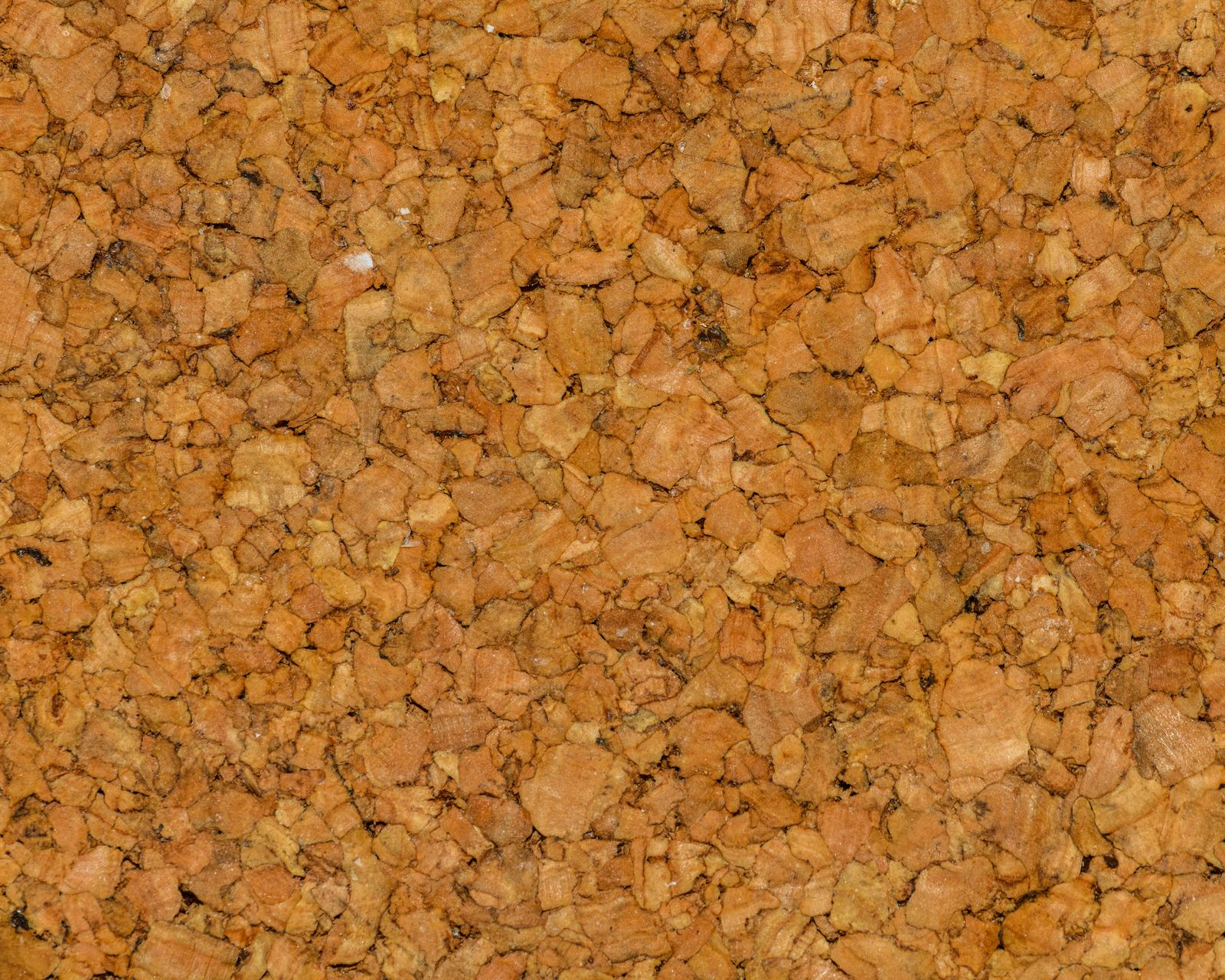
Welcome to Indgas, your reliable source for advanced sealing materials. Rubberised cork is a carefully engineered composite that pairs cork granules, prized for natural compressibility, with a synthetic rubber binder such as Nitrile or Neoprene. The result is a gasket material that makes leak-proof joints under low to moderate flange pressures, and it is widely used across industrial fluid sealing applications. With strong compressibility, good recovery, and broad chemical resistance, rubberised cork delivers dependable performance in many sectors.
Engineered for Durability:
Rubberised Cork Gasket Material
Compressed non-asbestos fibre gaskets are built for tough conditions. Depending on the fibre and binder combination, they withstand temperatures from ambient levels up to 350°C to 400°C. That capability makes them well suited to high-pressure flange connections that experience severe thermal cycling.
Chemical compatibility is a core strength. Choosing the right elastomer binder matters, nitrile NBR performs well against oils and fuels, while EPDM offers better resistance to steam and weathering. The compressed fibre construction retains excellent sealability, so flange integrity is maintained against blow-outs and fastener relaxation. The result is less frequent maintenance, and reduced operational downtime.
All CNAF materials supplied by Indgas carry the required certifications, confirming asbestos-free composition and compliance with current workplace health and safety standards.
High Compressibility and Excellent Recovery
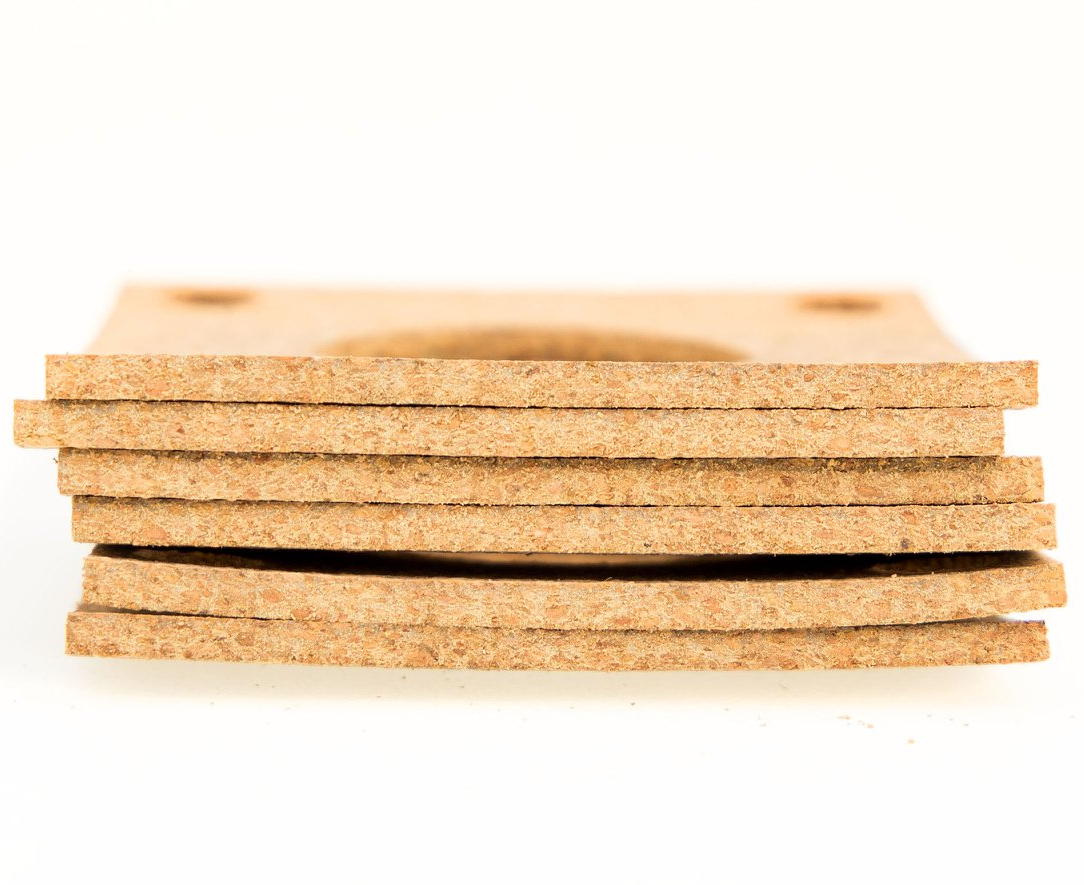
Cork’s cellular structure lets the material compress firmly, without excessive lateral flow or extrusion. Seals conform to flange irregularities, yet return close to their original shape when the load eases. That balance matters for repeatable sealing performance.
Superior Fluid Resistance
The rubber binder that encases the cork granules resists oils, fuels, petroleum solvents, and water-based fluids. Put another way, rubberised cork sheets handle harsh contact with fluids while keeping their sealing function.
Temperature Tolerance and Operating Range
Most rubberised cork compounds remain serviceable up to about 120°C, with some variation depending on the binder chemistry. That range covers many automotive, marine, and general industrial machinery uses.
Versatile Rubberised Cork Sheet
Options for Every Application
Standard and Custom Thicknesses
Indgas supplies rubberised cork in thicknesses from roughly 1.5 mm to over 6 mm. Thinner sheets suit tight flange gaps. Thicker sheets accommodate uneven flanges or applications needing extra compressive strength.
Full Rolls and Sheets for Bulk Use
Many industrial customers buy full rolls or large sheets to cut gaskets on-site. That approach saves cost and lets teams tailor gaskets to exact needs.
Precision Cut Rubberised Cork Gaskets
We also provide pre-cut, precision profiles for faster installation. Clean edges and tight tolerances reduce fitment time and field adjustment.
Where to Use a
Rubberised Cork Gasket
Automotive and Marine Applications
Common uses include valve cover gaskets, oil pans, sumps, and water pumps. Rubberised cork copes well with oil exposure and vibration, so it suits engine components.
Electrical Infrastructure Sealing
These gaskets are used in oil-filled transformers and switchgear, where fluid tightness and safety are important.
General Machinery and Industrial Equipment
Typical placements are gearbox covers, inspection doors, and low-pressure pipe flanges, where reliable sealing under moderate pressure is required.
The Indgas Advantage:
Professional Industrial Supply
Premium Raw Materials
We source high-density, uniform cork blends combined with well-matched rubber binders to produce gaskets without weak spots.
Technical Expertise and Support
Our team advises on the right choice between Nitrile and Neoprene, based on chemical exposure and operating conditions. Practical, experienced guidance helps match material to application.
Reliable Supply Chain and Precision Fabrication
Indgas supports small orders and large contracts, with dependable delivery and precision cutting. That ensures parts arrive ready to fit.
Rubberised Cork:
Technical FAQ
What Is The Maximum Operating Temperature For Rubberised Cork?
Rubberised cork typically withstands temperatures up to 120°C, depending on the binder used.
How Does Rubberised Cork Compare To Standard Rubber For Sealing Uneven Flanges?
Because of the cork’s granular structure, rubberised cork compresses without lateral flow or extrusion. That gives a tighter seal on uneven flanges compared with some plain rubber sheets.
Can I Order A Custom-Cut Rubberised Cork Gasket?
Yes. Indgas offers bespoke fabrication, producing precision-cut rubberised cork gaskets to your exact specifications.
Which Fluids Is A Rubberised Cork Sheet Resistant To?
Rubberised cork resists lubricating oils, fuels, coolants, water, and many petroleum-based solvents.
Secure your equipment with premium sealing solutions.
Contact Indgas today.
From heavy machinery to electrical transformers, Indgas supplies the rubberised cork solutions relied on by industry professionals.
Let’s Seal the Deal!
Connect with us today to learn more about our cutting-edge products and services.